1. Flagella and Cilia:
* Flagella are long, whip-like structures that propel cells through their environment. They are typically found in single-celled organisms like bacteria and sperm cells.
* Cilia are shorter, hair-like structures that beat rhythmically to move fluids or particles past the cell. They are found in many different types of cells, including those lining the respiratory tract and the fallopian tubes.
2. Cytoskeleton:
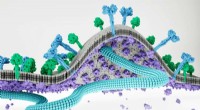
* The cytoskeleton is a network of protein filaments that provides structural support for the cell and helps it maintain its shape. It also plays a crucial role in cell movement, by providing tracks along which motor proteins can move organelles and vesicles.
* Microtubules are one type of cytoskeletal filament that can assemble and disassemble, allowing for changes in cell shape and movement. They are also involved in the movement of cilia and flagella.
* Actin filaments are another type of cytoskeletal filament that is involved in a variety of cellular processes, including cell crawling and muscle contraction.
Other structures involved in movement:
* Muscle cells contain specialized protein filaments called actin and myosin that interact to produce muscle contraction, allowing for large-scale movements of the body.
* Pseudopodia are temporary extensions of the cell membrane that allow some cells to move by extending and retracting these structures. This is a common form of movement in amoebas.
The specific structures involved in movement vary depending on the type of cell and its function.