1. Neurons: These are the cells of the nervous system. They are responsible for transmitting signals throughout the body, enabling communication between different parts of the body and the brain. They are specialized for communication and are found in the brain, spinal cord, and nerves.
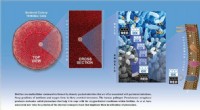
2. Epithelial Cells: These cells form sheets that line the surfaces of organs and cavities throughout the body. They provide protection, absorption, secretion, and filtration. You'll find them in the skin, lining of the digestive tract, and respiratory tract.
3. Muscle Cells: These cells are specialized for contraction, allowing for movement. There are three types: skeletal muscle (attached to bones for voluntary movement), smooth muscle (found in organs like the stomach and intestines for involuntary movement), and cardiac muscle (found in the heart for pumping blood).
4. Blood Cells: These cells are found in the blood and are responsible for various functions, including carrying oxygen, fighting infection, and clotting blood. The major blood cell types include:
* Red blood cells (erythrocytes): Carry oxygen from the lungs to the rest of the body.
* White blood cells (leukocytes): Fight infections and protect the body from disease.
* Platelets (thrombocytes): Help clot blood and stop bleeding.
These are just a few examples of the many types of cells found in the human body. Each cell type has a unique structure and function that contributes to the overall health and functioning of the organism.