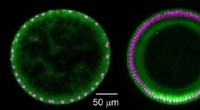
1. Compartmentalization:
* Structure: Organelles are enclosed by membranes, separating their internal environment from the rest of the cell. This creates distinct compartments within the cell.
* Function: Compartmentalization allows for specialization. Each organelle can maintain a specific environment, harboring unique enzymes and molecules necessary for its specific function. This prevents interference and ensures efficient operation.
2. Surface Area to Volume Ratio:
* Structure: Many organelles have a high surface area to volume ratio, meaning they have a large surface area relative to their volume. This is achieved through folds, cristae, or other extensions.
* Function: A high surface area facilitates efficient exchange of materials. This is crucial for organelles like mitochondria (for ATP production) and the endoplasmic reticulum (for protein synthesis and lipid metabolism).
3. Internal Structures:
* Structure: Each organelle has its own unique internal structures. For example, mitochondria have cristae (folded membranes), chloroplasts have thylakoids (stacked discs), and ribosomes have two subunits.
* Function: These structures are essential for specific functions. Cristae in mitochondria increase the surface area for electron transport chain reactions, while thylakoids in chloroplasts house the machinery for photosynthesis.
4. Protein Composition:
* Structure: The proteins embedded within the organelle's membranes or present within its lumen (internal space) are specific to its function.
* Function: These proteins act as enzymes, transporters, or structural components, enabling the organelle to carry out its specialized task.
Examples:
* Mitochondria: The folded cristae provide a large surface area for the enzymes involved in ATP production. The inner membrane contains protein complexes crucial for the electron transport chain.
* Nucleus: The nuclear envelope, with its pores, regulates the passage of molecules between the nucleus and the cytoplasm. The nucleolus, within the nucleus, produces ribosomes.
* Golgi apparatus: Its stacked cisternae (flattened sacs) provide compartments for processing and packaging proteins. Enzymes within each compartment modify proteins as they move through the Golgi.
In conclusion: The structure of an organelle dictates its function, allowing for efficient and specialized processes within the cell. This intricate relationship is essential for the cell to perform its overall functions and maintain life.