1. Genetics:
* Genes: These are the fundamental units of heredity, carrying specific instructions for building and maintaining an organism. They are located on chromosomes, which are thread-like structures found in the nucleus of every cell.
* Alleles: Different versions of the same gene are called alleles. Each organism inherits two copies of each gene, one from each parent. The combination of alleles an organism inherits determines its genotype.
* Genotype: This refers to the specific set of alleles an organism possesses. It is the underlying genetic makeup of an individual.
* Phenotype: This refers to the observable characteristics of an organism, including its physical appearance, behavior, and biochemical properties. The phenotype is influenced by the genotype and the environment.
2. Environment:
* Environmental Factors: The environment plays a crucial role in shaping an organism's traits. Factors like temperature, sunlight, diet, and exposure to toxins can influence the expression of genes and ultimately affect an organism's phenotype.
* Epigenetics: This field of study explores how environmental factors can modify gene expression without altering the underlying DNA sequence. These modifications can be passed down to offspring.
3. Development:
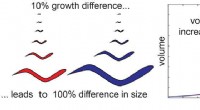
* Developmental Processes: The way an organism develops from a fertilized egg to its mature form is influenced by genes, the environment, and interactions between the two. The timing and sequence of gene expression during development can significantly affect the final phenotype.
* Random Events: Sometimes, random mutations or other developmental events can lead to variations in traits.
In summary, an organism's traits are a result of a complex interplay between its inherited genes, environmental influences, and developmental processes.
Here's an example:
* Eye color: The color of a person's eyes is determined by genes that control the production of pigments. However, exposure to sunlight can affect the intensity of the color.
Understanding the factors that determine traits is essential for various fields like medicine, agriculture, and evolutionary biology.