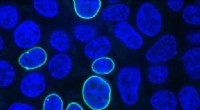
Here's a breakdown:
* Transfection specifically refers to the process of introducing foreign DNA into eukaryotic cells (cells with a nucleus).
* Transformation is a similar term, but it usually refers to the process in bacteria where they take up foreign DNA from their environment.
There are various methods of transfection, each with its own advantages and disadvantages:
* Chemical transfection: Using reagents like calcium phosphate or lipofectamine to carry DNA into cells.
* Electroporation: Applying brief electrical pulses to create temporary pores in the cell membrane, allowing DNA to enter.
* Viral transduction: Using viruses to deliver DNA into cells.
* Microinjection: Directly injecting DNA into cells using a fine needle.
* Biolistic transfection: Shooting DNA-coated particles into cells using a gene gun.
The specific method chosen depends on the type of cell, the size and type of DNA being transferred, and the desired outcome.