1. Cells: The basic building blocks of life, specialized for specific functions.
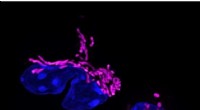
* Examples: Muscle cells, nerve cells, skin cells
2. Tissues: Groups of similar cells that work together to perform a specific function.
* Examples: Muscle tissue, nervous tissue, epithelial tissue
3. Organs: Structures made up of different tissues that work together to perform a specific function.
* Examples: Heart, brain, stomach, skin
4. Organ Systems: Groups of organs that work together to perform a major function.
* Examples: Circulatory system, nervous system, digestive system
5. Organism: A complete living being, made up of multiple organ systems.
Here's a breakdown of the key features of this organization:
* Specialization: Cells within multicellular organisms differentiate to perform specific functions, increasing efficiency.
* Coordination: Communication between cells and tissues is essential for proper function, facilitated by chemical signals and other mechanisms.
* Hierarchy: Each level of organization builds upon the previous one, creating a complex and interconnected system.
* Emergent Properties: The whole organism has properties that are not present in individual cells, emerging from the complex interactions between levels.
Example:
Imagine a human body:
* Cells: Muscle cells in the heart contract to pump blood.
* Tissues: Cardiac muscle tissue is made up of many muscle cells working together.
* Organs: The heart is an organ made of cardiac muscle tissue, as well as other tissues like connective tissue and blood vessels.
* Organ Systems: The heart is part of the circulatory system, which also includes blood vessels and blood.
* Organism: The human body is a complete organism made of all these interacting systems.
This hierarchical organization allows for the efficient functioning and complexity of large, multicellular organisms.