1. Variation and Mutation:
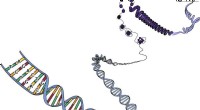
* Genetic variation: Every individual within a species carries a slightly different set of genes. These variations arise from random mutations during DNA replication.
* Mutations: These are changes in the DNA sequence. While most mutations are neutral or harmful, some can be beneficial, providing an advantage in a particular environment.
2. Natural Selection:
* Environmental pressures: Organisms face challenges in their environment, such as food scarcity, predators, or changing climate.
* Differential survival and reproduction: Individuals with advantageous traits (due to mutations) are more likely to survive, reproduce, and pass on those traits to their offspring.
* Adaptation: Over generations, the accumulation of beneficial traits leads to adaptation, where a species becomes better suited to its environment.
3. Sexual Selection:
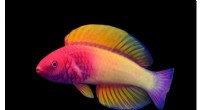
* Mate choice: Organisms often choose mates based on certain traits, like bright colors, elaborate courtship displays, or size.
* Increased attractiveness: Traits that enhance mating success become more common in a population.
4. Genetic Drift:
* Random chance: In small populations, random events can have a significant impact on the frequency of certain genes.
* Founder effect: A small group of individuals colonizing a new area may carry only a subset of the original population's genetic diversity.
5. Gene Flow:
* Movement of genes: Individuals migrating between populations can introduce new genes or alter the frequencies of existing genes.
In summary:
Organisms are not passive recipients of evolutionary change. They actively contribute to their own evolution through:
* Generating variation: through mutations
* Responding to environmental pressures: through natural selection
* Choosing mates: through sexual selection
* Influencing gene frequencies: through genetic drift and gene flow
These processes work together, over long periods of time, to shape the diversity and complexity of life on Earth.