* Plants: From towering trees to tiny algae, all plant life contributes to the biotic environment.
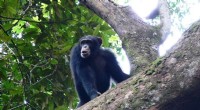
* Animals: From microscopic insects to massive whales, animals play crucial roles in food webs and ecosystem functions.
* Fungi: These organisms play vital roles in decomposition and nutrient cycling.
* Bacteria: These microscopic organisms are essential for various processes, including decomposition, nitrogen fixation, and digestion.
* Protists: This diverse group includes algae, protozoa, and slime molds, each with unique roles in the environment.
Key characteristics of the biotic environment:
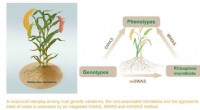
* Interactions: Organisms within the biotic environment interact in complex ways, forming food webs, competition, predation, and symbiotic relationships.
* Diversity: The biotic environment is characterized by a wide variety of species, each with its own adaptations and roles.
* Dynamic: The biotic environment is constantly changing and evolving, responding to environmental factors and pressures.
* Interdependence: All living organisms within the biotic environment are interconnected, and their actions have consequences for the entire system.
Understanding the biotic environment is crucial for:
* Conservation efforts: Recognizing the interconnectedness of species and ecosystems helps protect biodiversity.
* Ecological research: Studying interactions between organisms and their environment provides insights into ecosystem dynamics and functions.
* Sustainable management: Understanding the biotic environment helps ensure the long-term health and productivity of natural resources.
The biotic environment is a complex and fascinating system, playing a vital role in the functioning of our planet.