1. Genetic Variation:
* Mutations: Changes in DNA sequence are the ultimate source of new genetic variation. They can be spontaneous or caused by environmental factors like radiation.
* Gene Flow: The movement of genes between populations, through migration or interbreeding, introduces new genetic variations.
* Recombination: During sexual reproduction, chromosomes shuffle and exchange genetic material, creating new combinations of genes.
2. Natural Selection:
* Differential Reproduction: Individuals with traits that make them better suited to their environment are more likely to survive and reproduce, passing those beneficial traits to their offspring.
* Environmental Pressures: Factors like predation, competition for resources, disease, and climate change can exert selective pressures on populations, favoring certain traits over others.
* Adaptation: Over generations, natural selection leads to the accumulation of advantageous traits, resulting in adaptations that make species better suited to their environment.
3. Genetic Drift:
* Random Changes in Allele Frequency: In small populations, allele frequencies can fluctuate randomly due to chance events like the loss of individuals or the survival of only a few individuals with specific alleles.
* Founder Effect: When a small group of individuals establishes a new population, the allele frequencies in the new population may differ significantly from the original population.
* Bottleneck Effect: A severe reduction in population size due to a catastrophic event can result in a loss of genetic diversity and a shift in allele frequencies.
4. Other Factors:
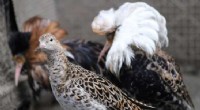
* Sexual Selection: Individuals with traits that make them more attractive to mates are more likely to reproduce, even if these traits are not necessarily beneficial for survival.
* Artificial Selection: Humans selectively breed organisms for desired traits, often resulting in rapid changes in a species.
* Coevolution: Species can influence each other's evolution through reciprocal adaptations, like predator-prey relationships or symbiotic interactions.
5. Time:
* Geological Time Scale: Evolution takes place over long periods of time, often spanning millions of years. The longer a species exists, the more opportunity it has to accumulate genetic changes and adapt to changing environments.
It's important to note that these factors often interact and influence each other. Evolution is not a linear process, but rather a dynamic and complex interplay of these forces that shapes the diversity of life on Earth.