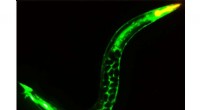
* Microscopic life: The wheat field is teeming with microscopic organisms like bacteria, fungi, nematodes, and protozoa. These are impossible to count individually, even with powerful microscopes.
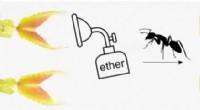
* Vast numbers: Even focusing on larger organisms, the sheer number of insects, mites, and other invertebrates in a field would be impossible to count manually.
* Hidden populations: Some organisms, like burrowing insects or soil dwelling creatures, live hidden underground and would be difficult to access and count.
* Movement: Many organisms, especially insects, are constantly moving and might fly in and out of the field, making an accurate count at any given moment impossible.
Instead of trying to count every single organism, scientists use various methods to estimate the abundance and diversity of life in an ecosystem:
* Sampling: Taking samples of soil, water, or plants and counting the organisms within them.
* Trapping: Using traps to capture insects and other small animals.
* DNA analysis: Analyzing environmental DNA to identify different species present.
* Modeling: Using mathematical models to predict population sizes based on known factors.
These methods provide valuable insights into the ecosystem's biodiversity and health, even if they don't offer a complete count of every individual.