* Structure: DNA is a double helix made up of two strands of nucleotides. Each nucleotide consists of a sugar, a phosphate group, and one of four nitrogenous bases: adenine (A), guanine (G), cytosine (C), and thymine (T). The sequence of these bases along the DNA strand forms the genetic code.
* Information Storage: The specific sequence of these bases determines the order of amino acids in proteins. Proteins are the workhorses of cells, carrying out a vast array of functions, from building and repairing tissues to catalyzing chemical reactions.
* Stability: DNA is a remarkably stable molecule, able to withstand the harsh conditions within a cell. The double-helix structure provides protection for the genetic code, and its chemical composition allows it to resist degradation.
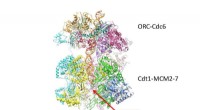
* Replication: DNA can be accurately copied, allowing for the transmission of genetic information from one generation to the next. This replication process ensures that offspring inherit the genetic code from their parents.
* Mutability: While DNA is stable, it is also capable of undergoing mutations, or changes in its sequence. These mutations can introduce new traits, leading to genetic variation and evolution.
In summary:
DNA is the blueprint of life because it can:
* Store information: The sequence of bases in DNA determines the sequence of amino acids in proteins.
* Be passed down: DNA can be accurately copied, allowing for the transmission of genetic information from one generation to the next.
* Be modified: Mutations in DNA can lead to genetic variation and evolution.
This complex interplay of structure, stability, and replication makes DNA the perfect molecule to carry the code for life.