* Organisms are made of multiple levels of organization. You can think of it as a hierarchy:
* Atoms: The basic building blocks of matter.
* Molecules: Atoms bonded together (e.g., water, proteins).
* Organelles: Structures within cells that have specific functions (e.g., mitochondria, nucleus).
* Cells: The fundamental unit of life.
* Tissues: Groups of similar cells working together (e.g., muscle tissue, nervous tissue).
* Organs: Structures made of different tissues that perform specific functions (e.g., heart, lungs).
* Organ Systems: Groups of organs working together (e.g., the circulatory system, the digestive system).
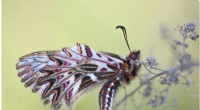
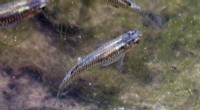
* Organism: A complete living being.
* Complexity is relative. An organism is more complex than a single cell, but less complex than a whole ecosystem.
Therefore, the least complex level of organization in a living thing is the atom. It's the most basic building block.