Here's why:
* Unicellular organisms are made up of a single cell. Examples include bacteria, amoebas, and yeast.
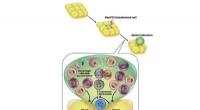
* An egg is a large, complex cell, but it is a single cell. However, it contains all the genetic material necessary to develop into a multicellular organism.
Think of it this way:
* A unicellular organism is a complete, self-sufficient being.
* An egg is a single cell with the potential to become a multicellular organism, but it needs to develop and grow through cell division.
So, while an egg is a single cell, it's not a complete organism in itself.