Biotic Factors
* Definition: Living organisms and their effects on the environment. These are the components of an ecosystem that are alive.
* Examples:
* Plants: Trees, flowers, grass, algae
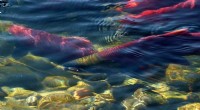
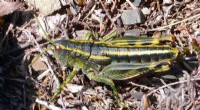
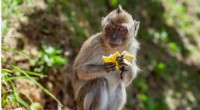
* Animals: Birds, insects, fish, mammals, reptiles
* Microorganisms: Bacteria, fungi, viruses
* Decomposers: Organisms that break down dead matter (e.g., worms, fungi)
* Competition: Organisms fighting for resources like food, water, or space.
* Predation: One organism hunting and killing another.
* Parasitism: One organism benefiting at the expense of another.
Abiotic Factors
* Definition: Non-living components of an ecosystem. These are the physical and chemical aspects of the environment.
* Examples:
* Sunlight: Provides energy for photosynthesis.
* Temperature: Affects metabolic rates of organisms.
* Water: Essential for life processes.
* Soil: Provides nutrients and support for plants.
* Air: Provides oxygen for respiration.
* pH: Acidity or alkalinity of the environment.
* Wind: Can influence temperature, precipitation, and plant growth.
* Rocks and minerals: Provide raw materials and affect soil composition.
Key Differences
* Living vs. Non-living: Biotic factors are alive, while abiotic factors are not.
* Interaction: Biotic factors interact with each other (e.g., predator-prey relationships). Abiotic factors influence the distribution and abundance of biotic factors.
* Direct Impact: Abiotic factors directly influence the survival and growth of living organisms.
* Dynamic: Both biotic and abiotic factors can change over time. These changes can be natural (e.g., climate change) or caused by human activities.
Relationship
Biotic and abiotic factors are interconnected and form the foundation of ecosystems. The interactions between these factors create a delicate balance that allows life to thrive.