Here's a breakdown:
* Taxonomy is the branch of biology that deals with the classification, naming, and identification of organisms.
* It involves organizing living things into a hierarchical system based on shared characteristics, which helps us understand their relationships and evolutionary history.
* This system uses a series of nested groups, from broad categories like kingdoms to specific species.
Key aspects of taxonomy include:
* Classification: Grouping organisms based on their similarities and differences.
* Nomenclature: Assigning scientific names to organisms according to established rules.
* Identification: Determining the taxonomic identity of an organism.
* Phylogeny: Studying the evolutionary history of organisms and their relationships.
Taxonomy is essential for:
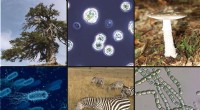
* Understanding biodiversity: It provides a framework for studying and cataloging the diversity of life on Earth.
* Conservation efforts: By identifying and classifying species, we can better understand and protect threatened and endangered organisms.
* Medical research: Understanding the relationships between organisms is crucial for studying infectious diseases and developing new drugs.
* Agriculture and forestry: Taxonomy helps us identify and manage different plant and animal species for food production and resource management.
If you're interested in learning more about taxonomy, you can explore resources on:
* Taxonomic classification systems (e.g., Linnaean taxonomy, cladistics)
* The history of taxonomy
* Modern taxonomic methods (e.g., molecular systematics, DNA barcoding)
* Specific taxonomic groups (e.g., plants, animals, bacteria)