1. Oxygen Requirements:
* Obligate aerobes: Require oxygen for growth.
* Obligate anaerobes: Cannot tolerate oxygen and die in its presence. These need anaerobic culture techniques like using an anaerobic chamber or special media with reducing agents.
* Facultative anaerobes: Can grow with or without oxygen.
* Microaerophiles: Require low oxygen concentrations. They need a controlled atmosphere with reduced oxygen levels.
2. Nutrient Requirements:
* Fastidious microorganisms: Have complex nutrient requirements that are difficult to meet in standard media. They might need specific amino acids, vitamins, or growth factors.
* Autotrophs: Can synthesize their own food from inorganic sources, such as CO2 and sunlight. These are usually cultured in special media with specific inorganic compounds.
3. Temperature Requirements:
* Psychrophiles: Grow optimally at low temperatures (below 15°C). They need cold incubation conditions.
* Mesophiles: Grow best at moderate temperatures (20-45°C). These are the most common type of microorganisms.
* Thermophiles: Grow optimally at high temperatures (above 45°C). They require incubators specifically designed for high temperatures.
4. pH Requirements:
* Acidophiles: Thrive in acidic environments (pH below 5.5). They need culture media with low pH.
* Alkaliphiles: Prefer alkaline conditions (pH above 8.5). They require media with a high pH.
5. Other Special Requirements:
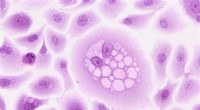
* Viruses: Cannot replicate outside a living host cell. They require cell culture techniques for propagation.
* Mycobacteria: Have a waxy cell wall that makes them resistant to staining and difficult to culture. They need special media and longer incubation times.
* Spirochetes: Have a unique helical shape that requires specialized media and microscopy for observation.
* Microorganisms from extreme environments: These can be found in hot springs, deep sea vents, or highly saline environments. They often require special media and incubation conditions that mimic their natural habitat.
Examples of microorganisms requiring special culture techniques:
* Clostridium difficile: Obligate anaerobe requiring anaerobic culture conditions.
* Neisseria gonorrhoeae: Requires enriched media like chocolate agar.
* Mycobacterium tuberculosis: Requires special media like Löwenstein-Jensen medium and long incubation times.
* Treponema pallidum: Requires specialized darkfield microscopy and media for visualization and culture.
* Viruses like HIV, influenza, or hepatitis: Need cell culture techniques for propagation.
Remember, it's important to consult specific protocols and resources for culturing each type of microorganism. These requirements are often specific to the organism and may involve a combination of these factors.