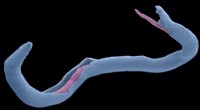
Non-motile: This means they lack structures like flagella, cilia, or pseudopodia that allow other microorganisms to move independently.
Airborne: This refers to their ability to be suspended and carried by air currents.
Some examples of non-motile, airborne microorganisms include:
* Bacteria: Many bacteria, like Mycobacterium tuberculosis (causing tuberculosis) and Streptococcus pneumoniae (causing pneumonia), are non-motile and can spread through air droplets expelled by coughing or sneezing.
* Viruses: Viruses are not technically living organisms, but they can also be airborne. Examples include influenza virus and SARS-CoV-2 (causing COVID-19).
* Fungi: Some fungal spores, like those from Aspergillus species, are small and light enough to become airborne.
Important Note:
While these microorganisms lack independent movement, they can still be spread efficiently through air currents, making them a significant threat to public health.
Beyond these examples:
* Other microorganisms: There are many other non-motile microorganisms that can be airborne, including protozoa cysts, bacterial endospores, and even some algae.
* Motile microorganisms: Some microorganisms can be motile and airborne. For instance, some bacteria possess flagella that enable them to move in water, but they can also be dispersed by wind currents.
Understanding the properties of airborne microorganisms is crucial for preventing and managing infectious diseases.