Primary Uses:
* Gout: Colchicine is a mainstay treatment for acute gout attacks. It works by reducing inflammation and pain in the joints.
* Familial Mediterranean Fever (FMF): Colchicine is used to prevent attacks of FMF, a rare genetic disorder that causes inflammation in the body.
Other Uses (less common):
* Pericarditis: Colchicine may be used to treat inflammation of the sac around the heart (pericarditis).
* Behçet's disease: It may be used to treat Behçet's disease, a rare autoimmune disorder that can cause inflammation in blood vessels, skin, and other organs.
* Certain types of cancer: Colchicine is being studied for its potential role in treating certain types of cancer.
Mechanism of Action:
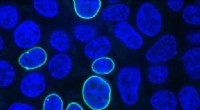
Colchicine works by interfering with the body's inflammatory response. Specifically, it blocks the formation of microtubules, which are essential for the movement and function of white blood cells that contribute to inflammation.
Important Considerations:
* Side Effects: Colchicine can cause side effects, including nausea, diarrhea, abdominal pain, and muscle weakness. In rare cases, it can cause serious side effects, such as bone marrow suppression, liver damage, and heart problems.
* Dosage: The dosage of colchicine is determined by your doctor and depends on the condition being treated.
* Drug Interactions: Colchicine can interact with other medications. It's important to inform your doctor about all medications you are taking.
It is important to note that colchicine is a prescription medication and should only be taken under the supervision of a healthcare professional.
If you have any questions or concerns about colchicine, please talk to your doctor.