Food:
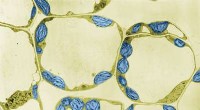
* Sugars: Plants use photosynthesis to convert sunlight, water, and carbon dioxide into sugars (primarily glucose), which they use as energy. These sugars are the basis of the food chain for many organisms, including humans.
* Fruits and Vegetables: These are specialized parts of the plant that store sugars, vitamins, minerals, and other nutrients that are essential for animal survival.
* Grains: Grains like wheat, rice, and corn are also a major source of carbohydrates, which are a key energy source for humans and other animals.
* Nuts and Seeds: These contain fats, proteins, and other nutrients that are important for growth and development.
Other Products:
* Oxygen: Plants release oxygen as a byproduct of photosynthesis, which is essential for the survival of all animals and many other organisms.
* Fibers: Plants produce fibers like cotton and flax, which are used to make clothing, rope, and other products.
* Medicines: Many plants contain chemicals that have medicinal properties and are used to treat a wide variety of illnesses.
* Wood: Trees provide wood, which is used for building houses, furniture, paper, and many other products.
* Fuel: Plant-based fuels like ethanol and biodiesel are becoming increasingly important as renewable energy sources.
It's important to note that plants also produce a variety of other chemicals and compounds that are used for different purposes, such as attracting pollinators, defending against herbivores, and regulating plant growth.