1. Chromatin:
- This is the uncoiled form of DNA. It's like a long, tangled string of genetic code.
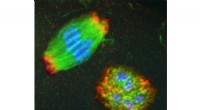
- When the cell is about to divide, chromatin condenses into compact structures called chromosomes.
2. Nucleolus:
- This is a dense region within the nucleus where ribosomes are made.
- Ribosomes are essential for protein synthesis, so the nucleolus plays a crucial role in protein production.
3. Nuclear Envelope:
- This is a double membrane that encloses the nucleus, separating it from the rest of the cell.
- It has pores that allow molecules to pass in and out of the nucleus.
4. Nuclear Lamina:
- This is a network of protein filaments that supports the nuclear envelope and helps maintain its shape.
5. Nucleoplasm:
- This is the gel-like substance that fills the nucleus.
- It contains enzymes, proteins, and other molecules needed for nuclear functions.
In summary, the cell nucleus contains the cell's genetic material (DNA) and is responsible for controlling the cell's activities.