Physical Mutagens:
* Ionizing radiation: X-rays, gamma rays, and cosmic rays can cause breaks in DNA strands, leading to mutations. This is why medical professionals are careful to minimize exposure to these forms of radiation.
* Ultraviolet (UV) radiation: Found in sunlight, UV radiation can cause thymine dimers in DNA, which are mutations that can lead to skin cancer.
Chemical Mutagens:
* Alkylating agents: These chemicals add alkyl groups to DNA bases, altering their structure and function. Examples include cyclophosphamide (used in chemotherapy) and mustard gas (a chemical warfare agent).
* Base analogs: These chemicals are similar to the normal DNA bases and can be incorporated into DNA during replication, leading to incorrect base pairings. An example is 5-bromouracil, which can substitute for thymine.
* Intercalating agents: These molecules insert themselves between DNA base pairs, distorting the double helix and leading to errors in replication. An example is ethidium bromide, which is used in molecular biology laboratories to stain DNA.
* Oxidative agents: These chemicals can damage DNA by oxidizing the bases, leading to mutations. An example is hydrogen peroxide.
Biological Mutagens:
* Viruses: Some viruses, like the human papillomavirus (HPV), can integrate their genetic material into the host's genome, leading to mutations and potentially cancer.
* Transposons: These are "jumping genes" that can move within the genome, causing mutations by disrupting gene function.
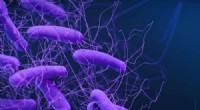
* Bacteria: Some bacteria, like Helicobacter pylori, can cause mutations in the DNA of stomach cells, increasing the risk of stomach cancer.
It's important to note that not all exposure to mutagens will lead to cancer or other diseases. Our cells have repair mechanisms to fix many types of DNA damage. However, repeated or high-level exposure can overwhelm these mechanisms, increasing the risk of mutations and disease.