Here's why evolution doesn't have a goal:
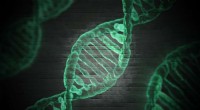
* It's driven by random mutations and natural selection. Mutations occur randomly in DNA, and those that happen to be beneficial for survival and reproduction in a given environment are more likely to be passed on.
* There's no "end point" to evolution. Evolution is a continuous process, adapting organisms to their ever-changing environments. What's beneficial today might not be tomorrow.
* It's not directed towards "perfection." Evolution leads to organisms that are well-suited to their environment, but that doesn't mean they're perfect. They may have limitations or even be vulnerable to extinction.
Think of evolution like a river constantly flowing and changing. The river doesn't have a goal, it just flows according to the landscape and the forces acting on it. Similarly, evolution adapts organisms to their environment, but it doesn't have a predetermined destination.
Instead of "goal," it's more accurate to think of the "outcomes" of evolution, which are:
* Increased fitness: Organisms become better suited to their environment over time.
* Diversity of life: The vast array of life on Earth is a product of evolutionary processes.
* Adaptation to changing conditions: Evolution allows species to survive and thrive in new environments.
So, while evolution doesn't have a goal, it's a powerful force that has shaped the incredible diversity of life on our planet.