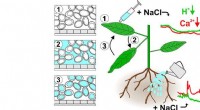
* Hypertonic solution: A hypertonic solution has a higher concentration of solutes (like salts) compared to the inside of the cell.
* Water movement: Water naturally moves from areas of high concentration to areas of low concentration. In this case, water moves out of the cell (where the solute concentration is lower) and into the hypertonic solution (where the solute concentration is higher).
* Cell shrinking: As water leaves the cell, the cell shrinks and its cytoplasm becomes more concentrated. This process can damage the cell and even lead to its death.
Here are some key consequences of crenation:
* Loss of cell volume: The cell becomes smaller and less functional.
* Damage to cell membrane: The shrinking process can put stress on the cell membrane, potentially causing it to tear or become leaky.
* Disruption of cell processes: The loss of water and shrinkage can disrupt essential cellular functions, including transport, metabolism, and protein synthesis.
Think of it like this: Imagine a balloon filled with water (representing the cell) being placed in a very salty bath (representing the hypertonic solution). The water inside the balloon will move out into the salty bath, causing the balloon to shrink.