1. Natural Selection:
* Environmental pressures: Changes in climate, food availability, predators, and disease create selective pressures that favor individuals with advantageous traits. Those with traits better suited to the environment are more likely to survive and reproduce, passing on those traits to their offspring.
* Adaptation: Over time, these beneficial traits become more common in the population, leading to evolutionary adaptation.
2. Genetic Variation:
* Mutations: Random changes in DNA sequences introduce new variations into the gene pool. Some mutations can be beneficial, harmful, or neutral.
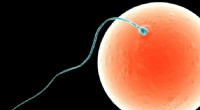
* Recombination: During sexual reproduction, genetic material is shuffled and recombined, creating new combinations of existing genes.
3. Genetic Drift:
* Random events: Changes in allele frequencies can occur due to random chance, especially in small populations. This can lead to the loss or fixation of certain traits.
4. Gene Flow:
* Migration: The movement of individuals between populations can introduce new alleles and alter the genetic makeup of a population.
5. Artificial Selection:
* Human intervention: Humans have selectively bred animals and plants for desirable traits, influencing their evolution. This is a specific type of selection that doesn't usually apply to human evolution itself, but it highlights how selection can work.
It's important to note that:
* Human evolution is ongoing: We continue to adapt to our environment and change over time.
* There's no single "cause" of human evolution: It's a complex interplay of all these factors.
* Human evolution is not linear: It's a branching process with multiple lineages and species that have emerged and gone extinct over millions of years.
Understanding human evolution is essential for comprehending our place in the natural world, our past, and our potential future.