Here's how to distinguish them:
Colonial Organisms:
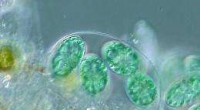
* Loosely Associated Cells: Cells are generally similar in structure and function, with little to no specialization.
* Independent Function: Each cell can survive and reproduce independently, although they benefit from the collective.
* Limited Integration: Cells may communicate and cooperate, but there's no central coordination or complex intercellular communication.
* No True Tissues: They lack specialized tissues and organs.
* Examples: Volvox, sponges, some bacteria and fungi.
Multicellular Organisms:
* Highly Integrated Cells: Cells are highly specialized and interdependent, forming tissues, organs, and organ systems.
* Specialized Functions: Cells have distinct roles and structures, contributing to the overall function of the organism.
* Central Coordination: There's a complex communication network between cells, often involving hormones, neurotransmitters, and other signaling molecules.
* True Tissues: Cells are organized into distinct tissues with specific functions.
* Examples: Animals, plants, fungi (except yeasts).
Here's a simple analogy:
* Think of a colony of ants: They work together, but each ant can survive independently.
* Think of a human body: Cells are specialized (muscle, nerve, skin) and work together in complex ways, unable to survive independently.
In summary:
* Colonial organisms are collections of similar cells with limited specialization and integration.
* Multicellular organisms are complex structures with specialized cells, tissues, and organs, showing a high level of integration and coordination.
It's important to note that the boundary between colonial and multicellular organisms is not always clear-cut. Some organisms, like slime molds, can exist in both colonial and multicellular states depending on their environment.