• Home
  • Chemistry
  • Astronomy
  • Energy
  • Nature
  • Biology
  • Physics
  • Electronics
  • Bacterial Cells: Do They Have a Nucleus? - A Clear Explanation
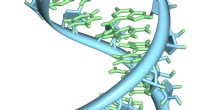
    That's correct! Bacterial cells are prokaryotic, meaning they lack a membrane-bound nucleus. Their genetic material (DNA) is located in a region called the nucleoid, which is not enclosed by a membrane.

    Here's a breakdown:

    * Eukaryotic cells (like those found in plants, animals, fungi, and protists) have a true nucleus that contains their DNA.

    * Prokaryotic cells (like bacteria and archaea) do not have a nucleus. Their DNA is located in the nucleoid, a region within the cytoplasm.

    This lack of a nucleus is one of the key distinguishing features between prokaryotes and eukaryotes.


    Science Discoveries © www.scienceaq.com