Here's why:
* Asexual Reproduction: This involves only one parent and results in offspring that are genetically identical to the parent. There's no mixing of genetic material from two individuals like in sexual reproduction.
* Sexual Reproduction: Involves two parents contributing genetic material, resulting in offspring with a unique combination of genes from both parents.
Examples of Asexual Reproduction:
* Binary fission: A single-celled organism divides into two identical daughter cells (e.g., bacteria).
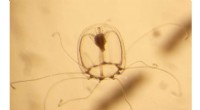
* Budding: A new organism develops as an outgrowth or bud from the parent (e.g., yeast, hydra).
* Fragmentation: A parent organism breaks into fragments, each capable of developing into a new individual (e.g., starfish, some plants).
* Vegetative propagation: New plants develop from specialized structures like bulbs, tubers, or runners (e.g., onions, potatoes, strawberries).
Let me know if you'd like more details about any of these methods!