Here's a breakdown:
* Autotrophs are organisms that can produce their own food from inorganic sources. They are also known as primary producers because they form the base of the food chain.
* They achieve this by using energy from the sun (photosynthesis) or chemical reactions (chemosynthesis) to convert inorganic substances into organic compounds.
Examples of autotrophs include:
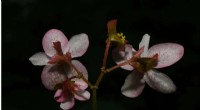
* Plants: They use photosynthesis to convert sunlight, water, and carbon dioxide into sugars for energy.
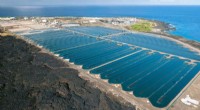
* Algae: Similar to plants, algae also perform photosynthesis.
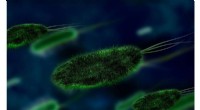
* Some bacteria: These bacteria use chemosynthesis, a process where they obtain energy from chemical reactions involving inorganic compounds like hydrogen sulfide or methane.
Let me know if you have any more questions!