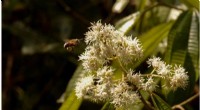
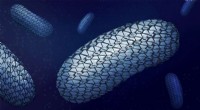
1. Living organisms: This includes plants, animals, microorganisms (like bacteria, fungi, and algae), and even human cells and tissues.
2. Biological materials: This includes anything derived from living organisms, like:
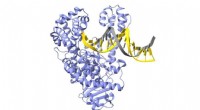
* DNA/RNA: Genetic material used in research, medicine, and biotechnology.
* Proteins: Enzymes, hormones, and other proteins with diverse applications in medicine, agriculture, and industry.
* Cells: Used in research, tissue engineering, and drug development.
* Tissue: Used in transplantation, research, and cosmetics.
* Biomolecules: Includes carbohydrates, lipids, and metabolites with applications in various fields.
3. Natural resources: This refers to naturally occurring biological resources like:
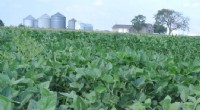
* Forests: Source of timber, wood products, and other valuable resources.
* Fisheries: Source of fish, shellfish, and other aquatic organisms.
* Wildlife: Includes animals and plants with various uses like food, hunting, and tourism.
* Soil: Provides essential nutrients and supports plant growth.
Applications of Bioresources:
Bioresources have a wide range of applications in various fields, including:
* Medicine and Healthcare: Drug development, disease diagnosis, gene therapy, tissue engineering, and biomaterials.
* Agriculture: Crop improvement, pest control, and biofertilizers.
* Food Industry: Food additives, flavorings, and nutritional supplements.
* Bioenergy: Biofuels, biogas, and bioethanol production.
* Biotechnology: Industrial enzymes, biocatalysts, and bioremediation.
* Environmental Protection: Bioremediation, wastewater treatment, and pollution control.
Important Considerations:
* Sustainability: It is crucial to utilize bioresources sustainably to ensure their long-term availability and minimize environmental impact.
* Bioethics: The ethical implications of using bioresources, especially human-derived materials, should be carefully considered.
* Intellectual Property: Bioresources can be subject to intellectual property rights, which need to be respected.
In essence, "bioresource" encompasses a vast array of living organisms and biological materials with enormous potential to benefit humanity in various ways. It is important to utilize these resources responsibly and sustainably to maximize their benefits for present and future generations.