1. Identification:
* DNA Analysis: This is arguably the most powerful tool in modern forensics.
* DNA Fingerprinting: Comparing DNA profiles from crime scenes (blood, saliva, hair, etc.) to suspects or victims helps establish connections or exclude individuals.
* Family Lineage: DNA analysis can also reveal familial relationships, crucial in identifying remains or tracing down unknown individuals.
* Blood Spatter Analysis: Analyzing the shape, size, and distribution of bloodstains helps reconstruct crime scenes, understand the events that occurred, and potentially identify the weapon used.
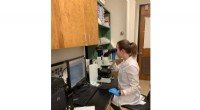
* Microscopic Examination: Using microscopes, forensic scientists can identify different types of fibers, pollen, hairs, and other microscopic materials found at crime scenes, potentially linking them to suspects or locations.
* Anthropology: Forensic anthropologists examine skeletal remains to determine age, sex, stature, and potential causes of death, aiding in identifying victims.
2. Cause of Death:
* Forensic Pathology: Pathologists perform autopsies to determine the cause and manner of death. This involves analyzing tissues, organs, and bodily fluids for signs of disease, injury, and poisoning.
* Toxicology: Toxicologists analyze biological samples like blood, urine, and tissue to detect the presence of drugs, poisons, or other chemicals that may have contributed to death.
3. Crime Scene Reconstruction:
* Entomology: Forensic entomologists study insect activity on corpses to estimate time of death. This is particularly useful in cases where there is no other way to determine when the individual died.
* Botany: Forensic botanists analyze plant material found at crime scenes, which can help connect suspects to the location or determine the time of death.
4. Other Applications:
* Serotyping: Blood typing can be used to exclude suspects or confirm the presence of a specific individual at a crime scene.
* Bite Mark Analysis: Forensic odontologists can analyze bite marks on victims or objects to identify the perpetrator.
* Hair Analysis: Examining hair can help determine age, sex, race, and even drug use.
5. Emerging Technologies:
* Microbiome Analysis: The study of the unique microbial communities found on the body is showing potential for identifying individuals and even reconstructing crime scenes.
* Biomarkers: These are specific molecules in the body that can indicate exposure to certain substances or specific diseases.
In Summary:
Forensic science relies heavily on biological principles and techniques to provide crucial evidence in criminal investigations. From identifying suspects to determining the cause of death, biology plays a vital role in bringing criminals to justice and ensuring accurate legal outcomes.