Understanding Biological Causes
* Focus: Biological causes delve into the workings of the body, including:
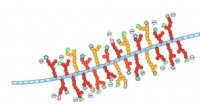
* Genes: Inherited genetic material that can predispose individuals to certain conditions or traits.
* Physiological Processes: How the body functions, including hormonal systems, neurotransmitters, and organ systems.
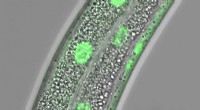
* Cellular Mechanisms: The intricate interactions within and between cells that contribute to overall health and function.
* Microbiome: The trillions of microorganisms (bacteria, fungi, viruses) residing in our bodies, playing a role in various processes.
Examples of Biological Causes
* Disease:
* Genetic disorders: Conditions like cystic fibrosis, sickle cell anemia, or Huntington's disease are directly caused by genetic mutations.
* Infectious diseases: Bacteria, viruses, fungi, and parasites can cause illness by invading the body and disrupting normal processes.
* Autoimmune diseases: The immune system mistakenly attacks the body's own tissues, leading to conditions like rheumatoid arthritis or lupus.
* Behavior:
* Neurochemical imbalances: Variations in neurotransmitters like dopamine or serotonin can influence mood, sleep, and appetite, potentially contributing to conditions like depression or anxiety.
* Hormonal fluctuations: Hormonal changes during puberty, pregnancy, or menopause can impact behavior and emotional states.
* Physical Characteristics:
* Height and weight: Genetics and environmental factors like nutrition influence physical growth.
* Eye and hair color: Specific genes determine the pigments produced, leading to variations in appearance.
Important Considerations
* Multifactorial Nature: Most outcomes are influenced by a combination of biological, environmental, and social factors. Rarely is a single biological cause the sole explanation.
* Individual Variation: People respond differently to the same biological influences due to genetic differences, environmental exposures, and lifestyle choices.
* Ongoing Research: The understanding of biological causes is constantly evolving as scientists unravel the complexities of biological systems.
In Summary
"Biological causes" refer to factors within the body, from genes to cellular processes, that contribute to a specific outcome. Understanding these causes is crucial for diagnosing, treating, and preventing various conditions.