Here's why:
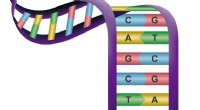
* Genes are the blueprints: Genes contain the instructions for building proteins.
* Bacteria can't read eukaryotic genes directly: Bacterial cells use a different genetic code than eukaryotic cells. They can't translate the eukaryotic gene directly into a protein.
* Cloning is the solution: By isolating the eukaryotic gene and inserting it into a bacterial expression vector, you can trick the bacteria into reading and translating the gene, producing the desired eukaryotic protein.
Steps involved in isolating a eukaryotic gene for cloning:
1. mRNA isolation: Extract messenger RNA (mRNA) from the eukaryotic cell. This mRNA carries the genetic code for the desired protein.
2. Reverse transcription: Convert the mRNA into complementary DNA (cDNA) using reverse transcriptase. cDNA is a DNA copy of the mRNA and can be used for cloning.
3. Cloning: Insert the cDNA into a bacterial expression vector. This vector is a piece of DNA that can replicate in bacteria and contains all the necessary elements for gene expression.
Once the bacterial cells take up the vector, they will start producing the eukaryotic protein.