1. DNA: The primary blueprint for all proteins is contained within the DNA (deoxyribonucleic acid) molecule. DNA is organized into genes, each of which provides the instructions for building a specific protein.
2. Transcription: The first step in protein synthesis is transcription, where the DNA sequence of a gene is copied into a messenger RNA (mRNA) molecule. This occurs within the nucleus of the cell.
3. mRNA: This messenger RNA molecule carries the genetic code from the DNA to the ribosomes, the protein synthesis machinery of the cell.
4. Ribosomes: These are complex structures made of ribosomal RNA (rRNA) and proteins. They function as the "reading machines" for the mRNA sequence.
5. Translation: At the ribosomes, the mRNA code is translated into a specific sequence of amino acids, the building blocks of proteins. This process involves the use of transfer RNA (tRNA) molecules, which deliver the correct amino acids to the ribosome based on the codons in the mRNA.
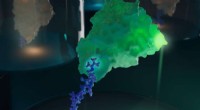
6. Protein Folding: Once the amino acid chain is complete, it folds into a specific three-dimensional shape. This shape is crucial for the protein's function.
In summary:
* DNA provides the genetic code for proteins.
* Transcription converts DNA into mRNA.
* mRNA carries the genetic code to the ribosomes.
* Translation at the ribosomes assembles the amino acid chain based on the mRNA code.
* Protein folding determines the protein's final shape and function.
Therefore, while DNA holds the blueprint, it is the combined actions of transcription, mRNA, ribosomes, translation, and protein folding that are responsible for encoding and ultimately creating the proteins found within a cell.