Anatomy refers to the structure of the body part, including its shape, size, location, and the composition of its tissues.
Physiology describes the function of the body part, how it works and interacts with other parts of the body.
Here's how they relate:
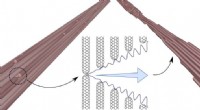
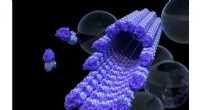
* Structure dictates function: The way a body part is built determines what it can do. For example, the structure of the heart, with its four chambers and valves, allows it to pump blood efficiently throughout the body. Similarly, the long, thin structure of a muscle fiber allows it to contract and generate force.
* Function shapes structure: The function a body part performs can influence its structure over time. For example, bones adapt to stress, becoming thicker and denser in areas where they experience more weight or force.
* Interdependence: Anatomy and physiology work together as a system. Changes in one can affect the other. For example, if a muscle is injured, its ability to function is impaired, which can then lead to changes in the structure of the surrounding tissues as they adapt to the injury.
Here are some specific examples:
* The Hand: The anatomy of the hand, with its bones, muscles, tendons, and nerves, allows it to perform a wide range of functions, like gripping, writing, and playing instruments.
* The Lung: The intricate branching structure of the bronchi and alveoli within the lungs maximizes the surface area for gas exchange, which is essential for breathing.
* The Brain: The complex network of neurons and synapses in the brain allows it to process information, control movement, and generate thoughts and emotions.
Understanding the relationship between anatomy and physiology is crucial for:
* Medical professionals: Diagnosing and treating diseases or injuries requires a deep understanding of how the body's structures and functions are affected.
* Researchers: Studying how the body works and developing new treatments requires a comprehensive understanding of anatomy and physiology.
* Fitness enthusiasts: Understanding how different body parts work and how they interact allows people to optimize their workouts and prevent injuries.
In essence, anatomy provides the blueprint, and physiology brings it to life. They are inseparable and work in harmony to create the intricate and complex system that is the human body.