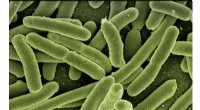
* Evolutionary Advantage: Germs, which are microscopic organisms like bacteria and viruses, have evolved alongside all living things. Their primary drive is survival and reproduction. This means they have developed strategies to thrive, even if it means causing harm to other organisms.
* Diversity and Adaptation: Germs are incredibly diverse and have adapted to various environments. Some are beneficial, like the bacteria in our gut that help us digest food. Others are harmful, like the viruses that cause colds and flu.
* Constant Change: Germs constantly evolve and mutate. This makes it difficult to eliminate them entirely. Even when we develop antibiotics, they can become resistant over time.
* Ecological Roles: Germs play a crucial role in the ecosystem. They break down dead organisms, decompose waste, and contribute to nutrient cycles.
It's important to remember that:
* Not all germs are harmful. Many are beneficial and essential for life.
* Our immune systems have evolved to combat germs. This is why we get sick sometimes, but our bodies often fight off infections.
Instead of asking "why do germs exist?", it's more useful to understand how they function and how we can manage their impact on our lives. We can do this through:
* Hygiene practices: Washing hands, covering coughs and sneezes, and maintaining clean environments.
* Vaccination: Building immunity to specific diseases.
* Antibiotics: Using them responsibly to treat bacterial infections.
By learning about germs and taking preventive measures, we can reduce their impact on our health and well-being.