1. Access to Resources:
* Food: Predator-prey relationships are the most obvious example. Predators get food, while prey benefit from keeping their populations in check.
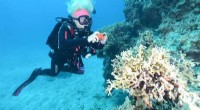
* Shelter: Birds nesting in trees, fish living in coral reefs, or animals burrowing in the ground are all examples of relationships providing shelter and protection.
* Sunlight and Nutrients: Plants in a forest compete for sunlight, while different types of bacteria in the soil compete for nutrients.
2. Protection and Defense:
* Mutualism: Certain types of bacteria living in the intestines of animals aid in digestion, while benefiting from the food and shelter provided.
* Symbiosis: Clownfish and sea anemones provide a classic example of mutualism. The clownfish finds protection within the stinging tentacles of the anemone, while the anemone benefits from the clownfish attracting food.
* Mimicry: Some harmless animals mimic the appearance of dangerous animals to deter predators.
3. Reproduction:
* Pollination: Plants rely on insects, birds, or bats to transfer pollen for fertilization. This benefits the plant by allowing it to reproduce and the pollinator by providing a food source (nectar).
* Seed dispersal: Animals eating fruits and dispersing the seeds aid in the plant's reproduction and distribution.
4. Regulation and Control:
* Predator-prey dynamics: The balance of predator and prey populations helps maintain the overall health of the ecosystem.
* Competition: Competition for resources limits population growth and prevents any one species from dominating the ecosystem.
* Parasitism: Parasites control host populations, preventing them from becoming too numerous.
5. Ecosystem Services:
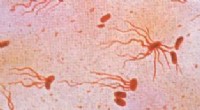
* Decomposition: Decomposers (fungi and bacteria) break down dead organisms and waste, returning nutrients to the ecosystem.
* Nutrient cycling: Through various relationships, organisms play a vital role in cycling nutrients like carbon, nitrogen, and phosphorus within the ecosystem.
In Summary:
Relationships in an ecosystem are essential for the survival, reproduction, and regulation of all organisms within it. These relationships ensure the balance and stability of the ecosystem, making it a dynamic and interconnected system.