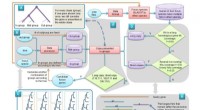
Here's a breakdown:
* Meiosis:
* Prophase I: This is the crucial stage where homologous chromosomes (pairs of chromosomes, one from each parent) align and exchange genetic material. This exchange is called crossing over.
* Crossing over: This process involves the breakage and rejoining of DNA segments between the homologous chromosomes, leading to the exchange of alleles.
* Result: Recombinant chromosomes are formed, carrying a mix of genetic material from both parents. This contributes to genetic diversity in offspring.
* Mitosis:
* Recombination in mitosis is less common than in meiosis, but it can occur through a process called sister chromatid exchange.
* Sister chromatid exchange: This involves the exchange of DNA between the two identical copies of a chromosome (sister chromatids).
* Result: While less frequent, this can still lead to genetic variation within cells.
* Laboratory settings:
* Recombinant DNA technology: This is a powerful tool used in biotechnology to create genetically modified organisms (GMOs) and to produce important proteins for medical and industrial applications.
* Process: Scientists use specific enzymes to cut and join DNA fragments from different sources, creating novel combinations of genetic material.
In summary, recombination is a key process for generating genetic diversity and is crucial for both natural and artificial genetic manipulation.