Observational Clues:
* Size and Shape:
* Multicellular: Organisms like insects, mites, or even tiny worms are usually larger and have more complex shapes.
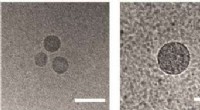
* Single-celled: Protists like amoebas, paramecia, or even some bacteria are microscopic, often appearing as simple blobs or elongated shapes.
* Movement:
* Multicellular: Movement tends to be more coordinated, involving limbs, appendages, or undulating body parts.
* Single-celled: Movement can be more erratic, using flagella (tails), cilia (tiny hairs), or amoeboid motion (changing shape).
* Internal Structures:
* Multicellular: Even with a magnifying glass, you might see hints of internal structures (organs, tissues) if the organism is large enough.
* Single-celled: Internal structures will be difficult to see without a powerful microscope.
* Behavior:
* Multicellular: May exhibit more complex behaviors like feeding, hunting, or avoiding obstacles.
* Single-celled: May move randomly or in response to simple stimuli like light or chemicals.
Important Note: It's highly unlikely to be able to definitively determine whether an organism is single-celled or multicellular simply by looking at it. Even with a magnifying glass, the distinction can be very difficult. A microscope is necessary for a conclusive answer.
If you're curious, the best thing to do is:
1. Observe the organism carefully.
2. Try to photograph it.
3. Do some research online. Search for images of common single-celled and multicellular organisms found in your area.
Let me know if you have any more questions!