1. Genetic Regulation:
* DNA as the Blueprint: Bacteria store all their genetic information in a single circular DNA molecule. This DNA contains the blueprints for all their proteins, including enzymes that catalyze metabolic reactions.
* Operons: Genes involved in specific metabolic pathways are often grouped together in operons. These operons are regulated by regulatory proteins that bind to specific DNA sequences, either activating or repressing gene expression.
* Environmental Sensing: Bacteria possess sensory systems that detect changes in their environment, like nutrient availability or stress conditions. These signals trigger specific gene expression patterns, tailoring their metabolism to the current needs.
2. Enzyme Regulation:
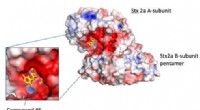
* Allosteric Regulation: Many enzymes are allosterically regulated, meaning their activity is modulated by molecules binding to sites other than the active site. This allows for rapid feedback mechanisms, adjusting enzyme activity in response to changes in metabolite concentrations.
* Covalent Modification: Enzymes can be activated or inactivated by covalent modifications, such as phosphorylation or acetylation. These modifications are often triggered by signaling pathways, ensuring coordinated control over multiple metabolic processes.
3. Metabolic Pathways & Feedback Loops:
* Interconnected Pathways: Bacteria possess a network of interconnected metabolic pathways, where the products of one pathway can serve as substrates for another. This interconnectedness allows for efficient resource utilization and flexibility in response to changing conditions.
* Feedback Inhibition: Metabolic pathways often employ feedback inhibition, where the end product of a pathway inhibits an earlier enzyme in the pathway. This prevents overproduction of unnecessary metabolites and ensures efficient resource allocation.
4. Quorum Sensing:
* Communication with Neighbors: Bacteria can communicate with each other through a process called quorum sensing. They release signaling molecules that accumulate in their environment, triggering collective behaviors like biofilm formation or virulence factor production. This allows for coordinated metabolic responses at the population level.
In Summary:
Bacteria, despite lacking a brain, possess a remarkable ability to control their complex metabolic activities. They achieve this through a sophisticated system of genetic regulation, enzyme control, metabolic pathways, and communication mechanisms. These intricate networks allow them to sense their environment, adjust their metabolism accordingly, and thrive in diverse habitats.