1. Primary Structure:
* Amino Acid Sequence: This is the fundamental level of protein structure, determining the order of amino acids. Changing even a single amino acid can significantly alter the protein's function. This can happen through:
* Changing active site residues: If the amino acid change occurs in the active site, it can directly affect how the protein binds to its substrate or interacts with other molecules.
* Altering protein stability: Amino acid changes can affect the overall folding and stability of the protein, impacting its function and susceptibility to degradation.
* Creating new binding sites: A change can create a new binding site for a different molecule, altering the protein's function and interactions.
2. Secondary Structure:
* Alpha-helices and Beta-sheets: These structures arise from hydrogen bonding between backbone atoms. Alterations in these structures can affect:
* Protein stability: Changes in secondary structure can disrupt the overall folding and stability of the protein, impacting its functionality.
* Active site conformation: If the secondary structure is altered near the active site, it can impact its shape and ability to bind to its substrate.
3. Tertiary Structure:
* Three-dimensional folding: This level involves the interactions between amino acid side chains, dictating the overall shape of the protein. Changes in tertiary structure can:
* Affect active site accessibility: Alterations in the protein's 3D fold can make the active site more or less accessible to its substrate, influencing its function.
* Disrupt protein-protein interactions: Changes can interfere with the ability of the protein to interact with other proteins, disrupting cellular processes.
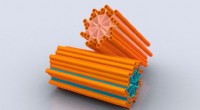
4. Quaternary Structure:
* Multiple polypeptide chains: Proteins with quaternary structure consist of multiple polypeptide subunits. Changes at this level can:
* Impact subunit interactions: Changes in one subunit can affect its interaction with other subunits, disrupting the overall function of the protein complex.
* Alter active site formation: If the active site is formed by the interaction of multiple subunits, changes in one subunit can disrupt its formation and function.
In summary, alterations at any level of protein structural organization can impact its function. The specific effects depend on the nature of the change, the location of the change within the protein, and the protein's overall structure and function.