Here's a breakdown of the key points:
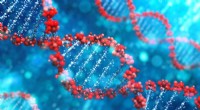
* DNA: Genes are made up of deoxyribonucleic acid (DNA), the molecule that carries genetic information.
* Code: Genes contain a specific sequence of nucleotides (adenine, guanine, cytosine, and thymine) that code for a particular protein or RNA molecule.
* Protein/RNA: The code within a gene is translated into either a protein or a functional RNA molecule, which then performs a specific function in the cell or the organism.
* Trait: The proteins and RNA molecules encoded by genes ultimately contribute to the development and expression of traits.
In simpler terms: Imagine a gene like a recipe. It contains instructions for making a specific protein, which is like the final dish. The protein then contributes to a particular characteristic, like eye color or hair texture.
Here are some additional points to consider:
* Alleles: Different versions of the same gene are called alleles. For example, there are different alleles for eye color, resulting in blue, brown, green, and other eye colors.
* Chromosomes: Genes are located on chromosomes, which are long strands of DNA found in the nucleus of cells.
* Mutations: Changes in the DNA sequence of a gene can lead to mutations, which can affect the function of the protein or RNA molecule and contribute to genetic disorders.
Understanding genes is crucial for understanding how traits are inherited, how diseases develop, and how we can use genetic information to improve human health.