Here's how the structure of the membrane supports this function:
* Phospholipid bilayer: The two layers of lipid molecules (phospholipids) create a selectively permeable barrier. The hydrophobic tails of the phospholipids face inwards, forming a barrier that prevents water-soluble substances from passing through freely. The hydrophilic heads face outwards, interacting with the watery environments inside and outside the cell.
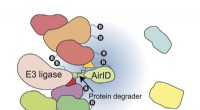
* Proteins: Embedded within the membrane are various proteins that serve different roles:
* Transport proteins: Act as channels or carriers to facilitate the movement of specific molecules across the membrane.
* Receptor proteins: Bind to signaling molecules and relay information to the cell's interior.
* Adhesion proteins: Help cells adhere to each other and to the extracellular matrix.
* Recognition proteins: Identify the cell as belonging to a particular organism or tissue.
Overall, the cell membrane acts as a gatekeeper, controlling which substances enter and exit the cell, ensuring the cell's survival and proper functioning.