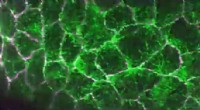
* Lipids are essential for forming cell membranes. They are the building blocks of the phospholipid bilayer, which acts as the boundary of all cells, controlling what goes in and out.
* Lipids also have other vital functions:
* Energy storage: Fats and oils are efficient ways for organisms to store energy.
* Hormones and signaling: Steroid hormones like testosterone and estrogen are lipids.
* Insulation: Fats provide thermal insulation, protecting organisms from temperature extremes.
* Protection and cushioning: Lipids help protect organs and tissues.
Therefore, while forming cell membranes is a primary function of lipids, it's not the only one. Lipids play a wide range of roles in biological systems.