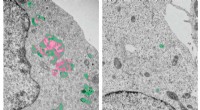
* Mitochondria: These are the powerhouses of the cell, responsible for producing ATP (adenosine triphosphate), the cell's energy currency. Active cells require a lot of energy to function.
* Ribosomes: These are responsible for protein synthesis. Active cells need to constantly produce proteins for growth, repair, and other vital functions.
* Endoplasmic Reticulum (ER): The ER is a network of membranes that plays a crucial role in protein folding, lipid synthesis, and detoxification. Active cells require a large ER network to support these processes.
* Golgi Apparatus: The Golgi apparatus is involved in processing and packaging proteins for secretion. Active cells often secrete a lot of proteins, which necessitates a larger Golgi.
* Lysosomes: These are the cell's recycling centers, breaking down waste materials and damaged organelles. Active cells produce more waste and require more efficient waste removal.
In addition to these, other organelles might also be more numerous in active cells, depending on the specific function of the cell. For example:
* Chloroplasts: In plants, active cells for photosynthesis would have more chloroplasts.
* Vacuoles: Plant cells involved in water storage might have larger and more numerous vacuoles.
Important Note: The number of organelles in a cell isn't always a perfect indicator of its activity. Other factors, such as the cell's size and type, also play a role.