1. Evolutionary Relationships (Phylogenetic Relationships): This is arguably the most important factor in modern biological classification. Biologists strive to group organisms based on their shared evolutionary history. This means considering:
* Common ancestry: Organisms are grouped together if they share a common ancestor that is not shared with any other group.
* Shared derived characteristics: These are traits that evolved in a common ancestor and are passed down to its descendants.
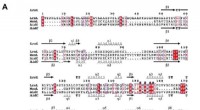
* Molecular evidence: Comparing DNA sequences, protein structures, and other molecular data provides strong evidence for evolutionary relationships.
2. Shared Physical Characteristics: While evolutionary relationships are key, biologists also consider shared physical traits, known as morphological characteristics. These can include:
* Anatomical features: The structure of organs, bones, and other body parts.
* Physiological features: How the organism functions, such as its metabolism, reproduction, or sensory systems.
* Developmental features: How the organism develops from a fertilized egg to its adult form.
3. Ecological Factors: While less central to classification than evolution or physical traits, ecological factors can play a role, particularly at lower taxonomic levels. This includes:
* Habitat: Where the organism lives.
* Diet: What the organism eats.
* Interactions with other species: Predator-prey relationships, competition, etc.
4. Genetic Data: The advent of molecular techniques has revolutionized classification. Comparing DNA sequences allows biologists to:
* Resolve evolutionary relationships: Especially useful for groups with few physical differences.
* Identify cryptic species: Species that look alike but are genetically distinct.
* Understand the spread of genes: Tracing the origins and movement of populations.
In summary, there is no single "most important" factor. The hierarchy of classification is based on the interplay of these factors, with evolutionary relationships taking precedence, followed by shared physical characteristics, and then ecological and genetic data.