Genetic engineering plays a significant role in modern agriculture, offering a range of benefits and raising complex ethical considerations. Here's a breakdown of its applications and implications:
How it's Used:
* Crop Improvement:
* Pest Resistance: Genes from bacteria or viruses are inserted into crops to make them resistant to specific pests, reducing reliance on pesticides.
* Herbicide Tolerance: Genes allow crops to withstand specific herbicides, simplifying weed control and reducing labor.
* Increased Yield: Genes can boost crop yield by enhancing nutrient uptake, improving photosynthesis, or increasing resistance to environmental stresses.
* Enhanced Nutritional Value: Genes can be introduced to increase the vitamin content, protein levels, or other nutritional qualities of crops.
* Improved Storage Life: Genes can make crops more resistant to spoilage and decay, extending shelf life and reducing food waste.
* Animal Breeding:
* Disease Resistance: Genes can be introduced to enhance animal immune systems and reduce susceptibility to diseases.
* Improved Growth: Genes can be introduced to promote faster growth rates in livestock, increasing productivity.
* Enhanced Product Quality: Genes can be introduced to modify the composition of animal products, such as milk or meat, for improved nutritional value or processing characteristics.
Benefits:
* Reduced Pesticide Use: Pest-resistant crops reduce the need for chemical pesticides, minimizing environmental impact and potential health risks.
* Increased Food Production: Higher yields and more efficient agricultural practices can help address global food security challenges and feed a growing population.
* Improved Nutritional Value: Genetically modified crops can provide essential nutrients to populations lacking access to diverse diets.
* Reduced Labor Costs: Herbicide-tolerant crops simplify weed management, reducing reliance on labor and potentially lowering production costs.
Concerns:
* Environmental Impact: Unintended consequences of gene flow into wild populations and potential disruption of ecosystems remain concerns.
* Food Safety: Concerns exist about potential allergenicity or toxicity of modified crops, although extensive testing is conducted.
* Ethical Considerations: Debates continue about the ethics of altering organisms' genes and the potential for unintended consequences.
* Access and Equity: Concerns exist about potential monopolistic control of seed technology and unequal access to these technologies.
Looking Forward:
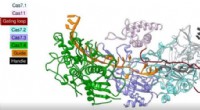
Genetic engineering in agriculture continues to evolve with the development of more precise techniques, such as CRISPR-Cas9 gene editing. Ongoing research is focused on addressing concerns and maximizing the potential benefits of this technology for a sustainable future.
It is important to recognize that there are diverse perspectives on genetic engineering in agriculture. It is crucial to engage in informed discussions, weigh both the benefits and risks, and consider the ethical implications before making judgments.