Here's a breakdown:
* Vestigial structures: These are reduced or incompletely developed structures that have no apparent function in a modern organism but were likely useful to its ancestors. They are remnants of evolutionary history.
* Evolution: Over time, organisms evolve and adapt to their environments. Traits that are no longer beneficial may become reduced or even disappear through natural selection.
Examples of vestigial structures:
* Human appendix: While it may have served a digestive purpose in our ancestors, it's now considered vestigial in humans.
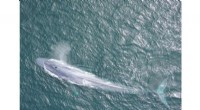
* Whale pelvic bones: Whales are aquatic mammals, but their ancestors walked on land. Their pelvic bones are a remnant of those land-walking ancestors.
* Eyes of cave-dwelling animals: Animals that live in perpetual darkness often have eyes that are reduced or non-functional.
Key takeaway: Vestigial structures are evidence of the evolutionary process. They show how organisms have changed over time and adapted to different environments.