Here are some key aspects of a biofactory:
What it produces:
* Agricultural products: Crops, livestock, fish, and other food products.
* Biofuels: Ethanol, biodiesel, and biogas produced from biomass.
* Biopharmaceuticals: Vaccines, antibodies, enzymes, and other medications produced using biological processes.
* Industrial chemicals: Bio-based chemicals produced using microbial fermentation or enzymatic processes.
* Biomaterials: Materials derived from biological sources, such as biodegradable plastics or textiles.
Key characteristics:
* Biological systems: Utilizes living organisms, such as plants, animals, microorganisms, or cells, to produce products.
* Controlled environment: Biofactories often operate in controlled environments to ensure optimal conditions for growth and production.
* Sustainable practices: Many biofactories focus on sustainable practices, reducing their environmental impact and promoting resource efficiency.
* High-tech infrastructure: Biofactories may utilize sophisticated technologies, such as bioreactors, fermentation systems, and advanced automation.
Examples of biofactories:
* Plant-based biofactories: Farms that grow crops for food, feed, or biofuel production.
* Animal-based biofactories: Livestock farms or fish farms that raise animals for food or other products.
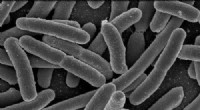
* Microbial biofactories: Facilities that use microorganisms to produce biopharmaceuticals, biofuels, or other bio-based products.
* Cell-based biofactories: Facilities that cultivate cells in bioreactors to produce therapeutic proteins or other biopharmaceuticals.
Advantages of biofactories:
* Sustainable production: Uses renewable resources and often reduces environmental impact compared to traditional chemical processes.
* Versatile applications: Can produce a wide range of products for different sectors, from food to medicine.
* High efficiency: Optimized processes and controlled environments can lead to high yields and improved productivity.
* Innovation potential: Biofactories are at the forefront of biotechnological advancements, driving innovation in various industries.
Challenges of biofactories:
* Regulation and safety: Requires strict regulations to ensure the safety and quality of products.
* Cost and complexity: Can be expensive to establish and operate, requiring specialized infrastructure and expertise.
* Scale-up challenges: Scaling up production from small-scale to industrial levels can be challenging.
In conclusion, a biofactory is a versatile and promising approach to producing valuable products using biological systems. This technology holds great potential for creating a more sustainable and innovative future.