Here's a simplified breakdown:
* Early Discoveries: The earliest observations relating to cellular respiration date back to the 17th century with the work of Robert Hooke who discovered cells, and Jan Baptista van Helmont, who studied plant growth and contributed to the idea of "air" being involved.
* 18th & 19th Century: Scientists like Lavoisier in the late 18th century established the importance of oxygen in combustion and respiration. In the 19th century, Pasteur investigated fermentation and provided further evidence for the role of microorganisms in respiration.
* 20th Century: Hans Krebs (1930s) discovered the Krebs cycle, a key part of cellular respiration. Albert Szent-Györgyi (1930s) made important contributions to understanding the role of vitamins in respiration. Further research throughout the 20th century filled in the remaining details of the process.
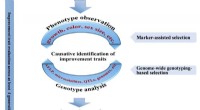
So, it's more accurate to say that cellular respiration was a result of the cumulative work of many scientists over centuries. This is typical of how scientific understanding evolves!