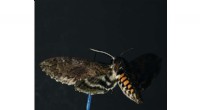
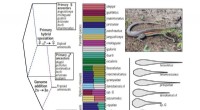
1. Morphological Evidence: This refers to the physical characteristics of an organism, including its external appearance, anatomy, and internal structures.
* Examples:
* Size and shape of the body: A whale is very different from a mouse.
* Number and arrangement of bones: Comparing the skeletal structure of a bird to a reptile can reveal relationships.
* Presence or absence of specific features: Does an organism have wings, fur, scales, or fins?
* Overall body plan: Are the limbs and appendages arranged similarly?
* Cellular structures: Do the cells have specific organelles or features?
2. Molecular Evidence: This involves analyzing the genetic material of an organism, primarily DNA and RNA.
* Examples:
* DNA sequence comparisons: Comparing the DNA sequences of different organisms can reveal how closely related they are.
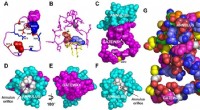
* Protein structure and function: Proteins are made based on DNA instructions. Similar protein structures suggest close evolutionary relationships.
* Genetic markers: Specific DNA sequences can help differentiate between species.
Important to note: While morphology was the primary basis for classification in the past, molecular evidence has become increasingly important and influential in recent years. The combination of morphological and molecular evidence provides a more complete and accurate picture of evolutionary relationships.